
Phil Turnbull | Interview
“I’m mostly about spontaneous discovery. I really enjoy the process of wandering around without a specific theme in mind and just seeing what the street photography gods send me.”
I first met Phil around 2021, not long after he had started exploring street photography more seriously through Streetsnappers. What immediately stood out to me was his sense of humour, which seems to naturally find its way into his photographs. Phil has a wonderful ability to notice those slightly absurd, funny or curious moments that many of us walk past without seeing. Over time, his work has developed a distinctive character, and I often feel that when I come across one of his photographs, I can recognise that it is his.
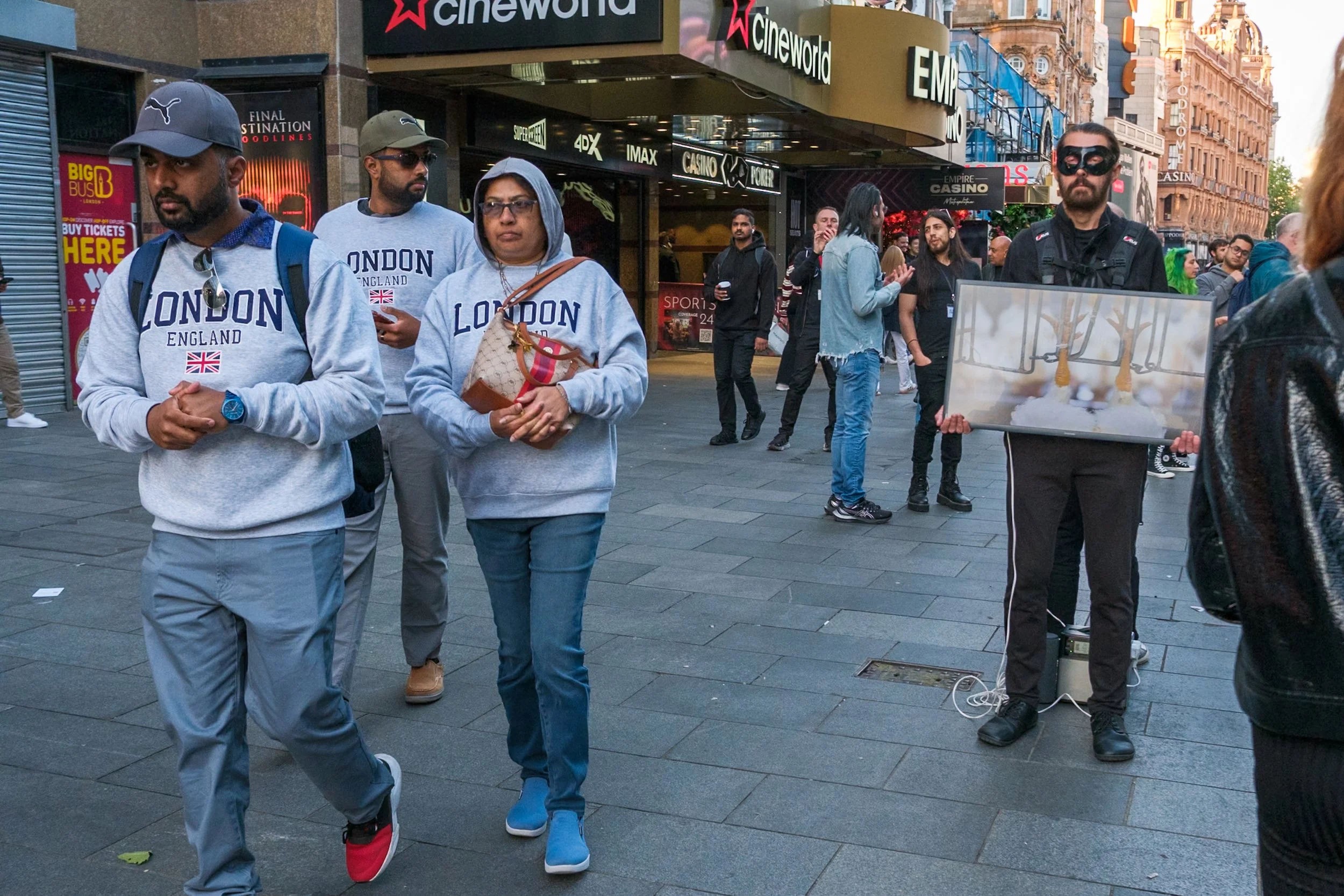
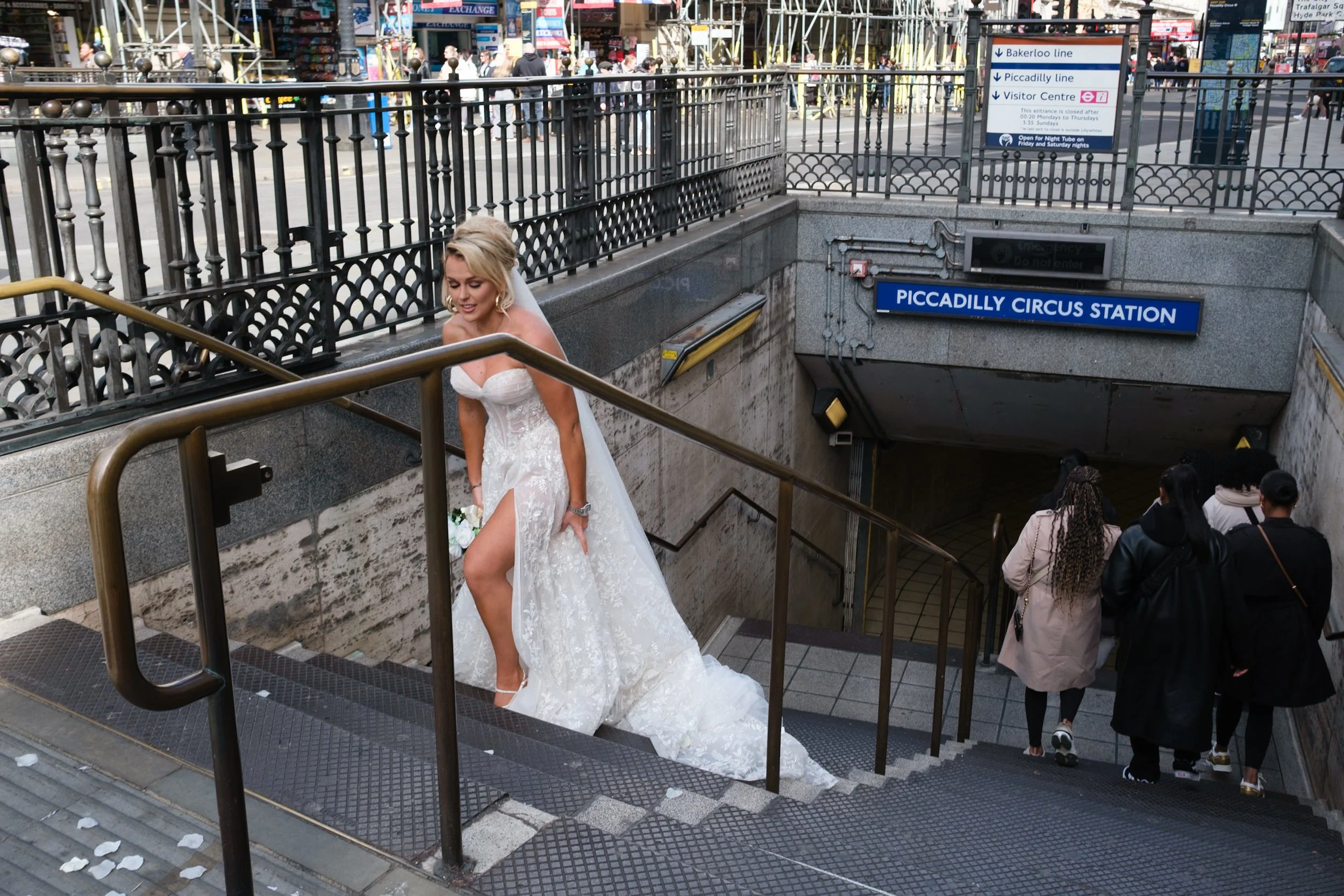
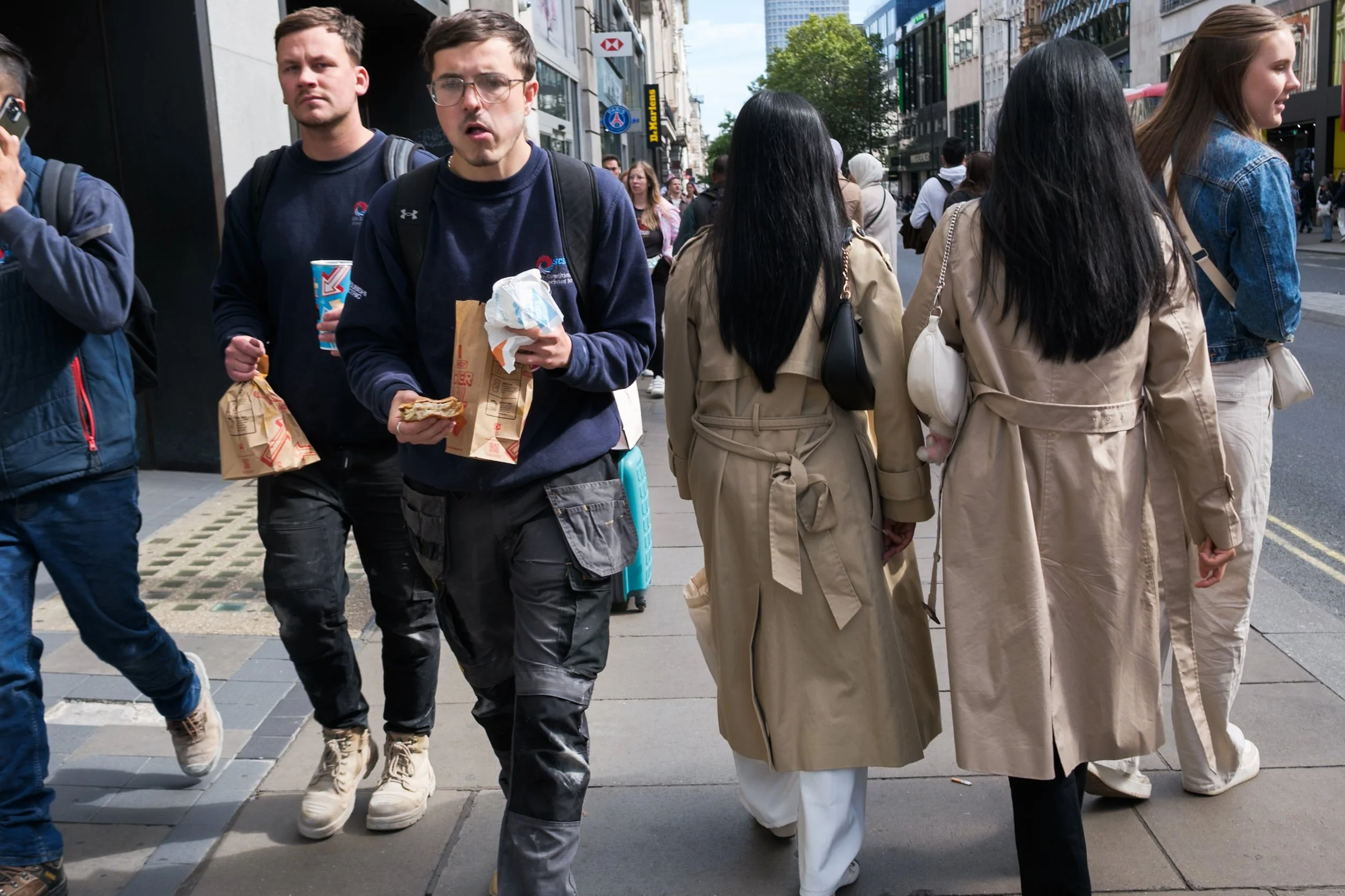
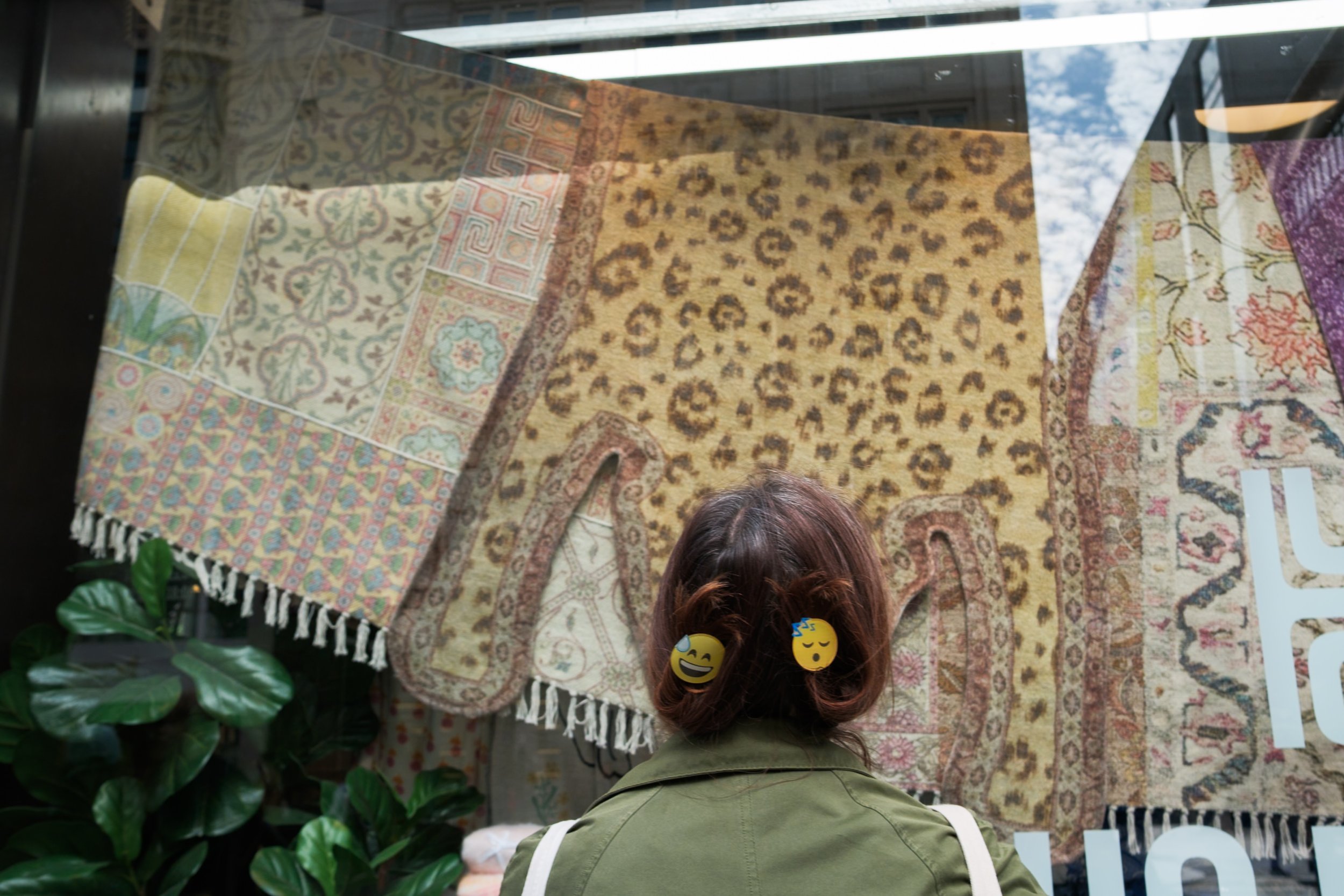
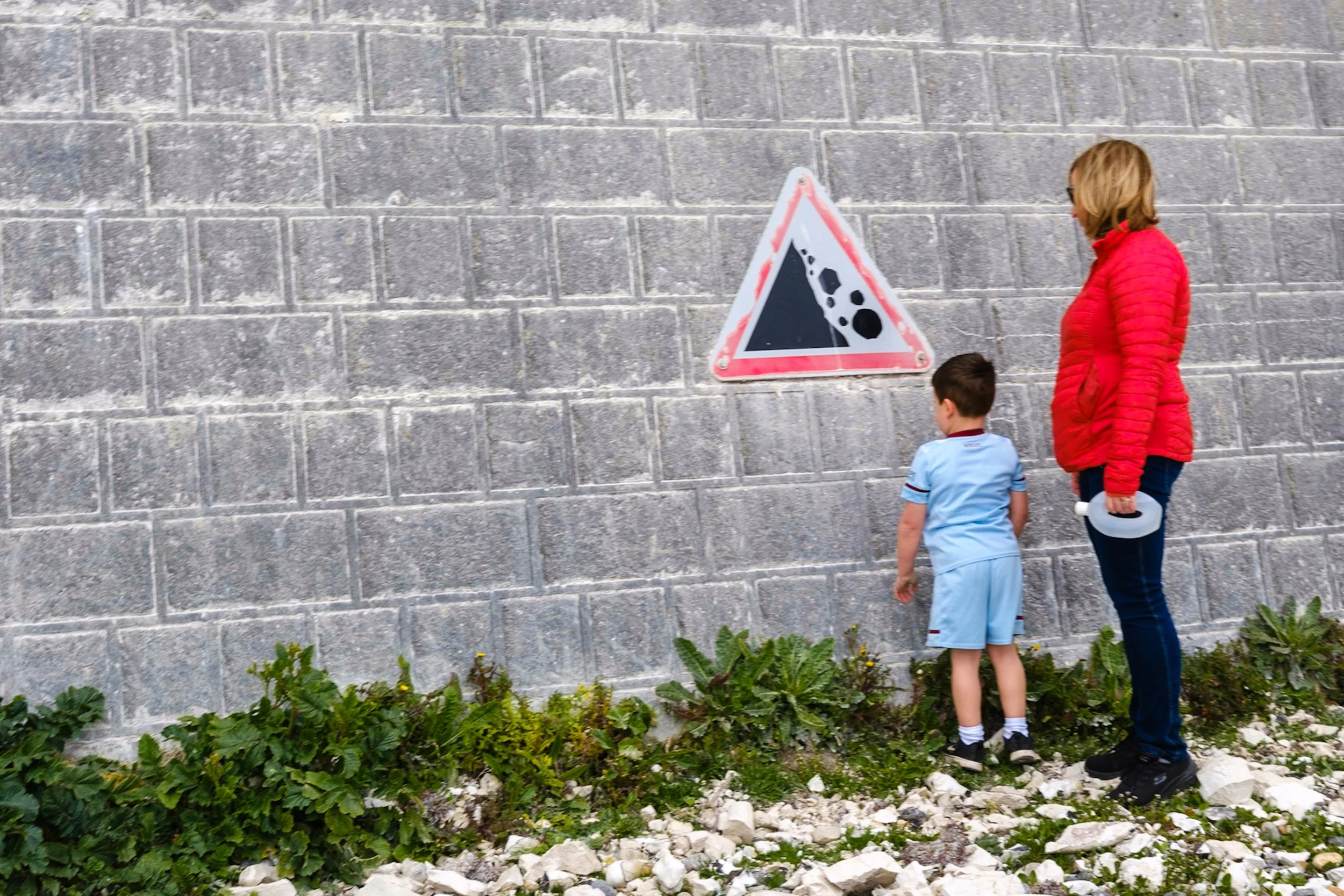
His photographs are less about perfect aesthetics and more about capturing interesting moments of humanity such as the humorous, the strange, and the slightly confusing situations that reveal something about the way people behave in public spaces. Phil’s images often balance humour with a sense of curiosity.
For Phil, street photography is as much about the process as the outcome: wandering with an open mind, staying alert to what the street might offer next. It is this curiosity and optimism that runs through his work, and it is always a pleasure to see what moments he discovers.
I am delighted to finally feature him this month.
© Phil Turnbull
JLH: Many photographers have an "aha!" moment. Could you describe when you first realised street photography was for you and what that moment felt like?
PT: I'd been aware of photographers like Martin Parr, Matt Stuart and Elliott Erwitt for quite a while but never thought I could do anything like that. (Not that i'm comparing myself to them by the way..)
I was a member of a traditional local camera club and one of the members mentioned that Polly Rusyn did street photography meet ups. I went along to a couple in 2019 and got a couple of ok-ish shots but it started the ball rolling. Then in Sept 2020 I did a workshop with Brian Lloyd Duckett of StreetSnappers. I wouldn't recommend doing a workshop during a pandemic but it kept the ball rolling.
I've always been interested in photography and always been that person with a camera on him but I'd never known what to photograph; I didn't have much interest in the obvious categories such as landscape, macro, etc but when I looked at the results of the workshops I realised that I'd finally found my subjects!
JLH: Street photography often involves a unique way of seeing the world. What is it about observing everyday life unfold in public spaces that you find most compelling and want to capture?
PT: When i'm out and about I don't particularly feel the need to document the streets or events for posterity but I feel compelled to capture moments of humanity, i.e. people doing interesting, stupid, funny, tragic, strang, etc things!
I'm not so concerned about the aesthetics of an image but more about capturing an interesting moment in a compelling/quirky way. The key word is ‘interesting’. If it’s just someone walking down the street then that’s not for me. Richard Kalvar said that 'life is a farce, the skill is in proving it' and that rings true for me.
I like shots that are humorous (albeit not laughing at someone), or photos that leave the viewer confused or with a question. And if I can get humour and confusion in the frame together then that's a winner for me.
© Phil Turnbull
© Phil Turnbull
© Phil Turnbull
JLH: Do you ever set out with a specific story or emotion in mind when you hit the streets, or is your process more about spontaneous discovery?
PT: Sometimes I spot something early on then for the rest of the day I keep seeing similar things so a theme naturally occurs. However I’m mostly about spontaneous discovery.
I really enjoy the process of wandering around without a specific theme in mind and just seeing what the street photography gods send me. I know people say that projects or themes can help them but I’ve never found that myself. For me, projects would be too constraining, I work the other way round in that I shoot what I see then afterwards attempt to make sense or order of it.
JLH: Beyond the technical aspects, what's the most rewarding part of the street photography process for you personally? Is it the chase, the capture, or something else entirely?
PT: I do enjoy the technical aspects (i.e. the gear!) but other than that I enjoy being out there seeing what the world has to offer me and, as many people say, getting out of my own head. You really need to be 100% switched on when you're out there which helps push the day to day 'noise' in your head to one side. I can't help but enjoy a taking a great (subjective!) shot though.
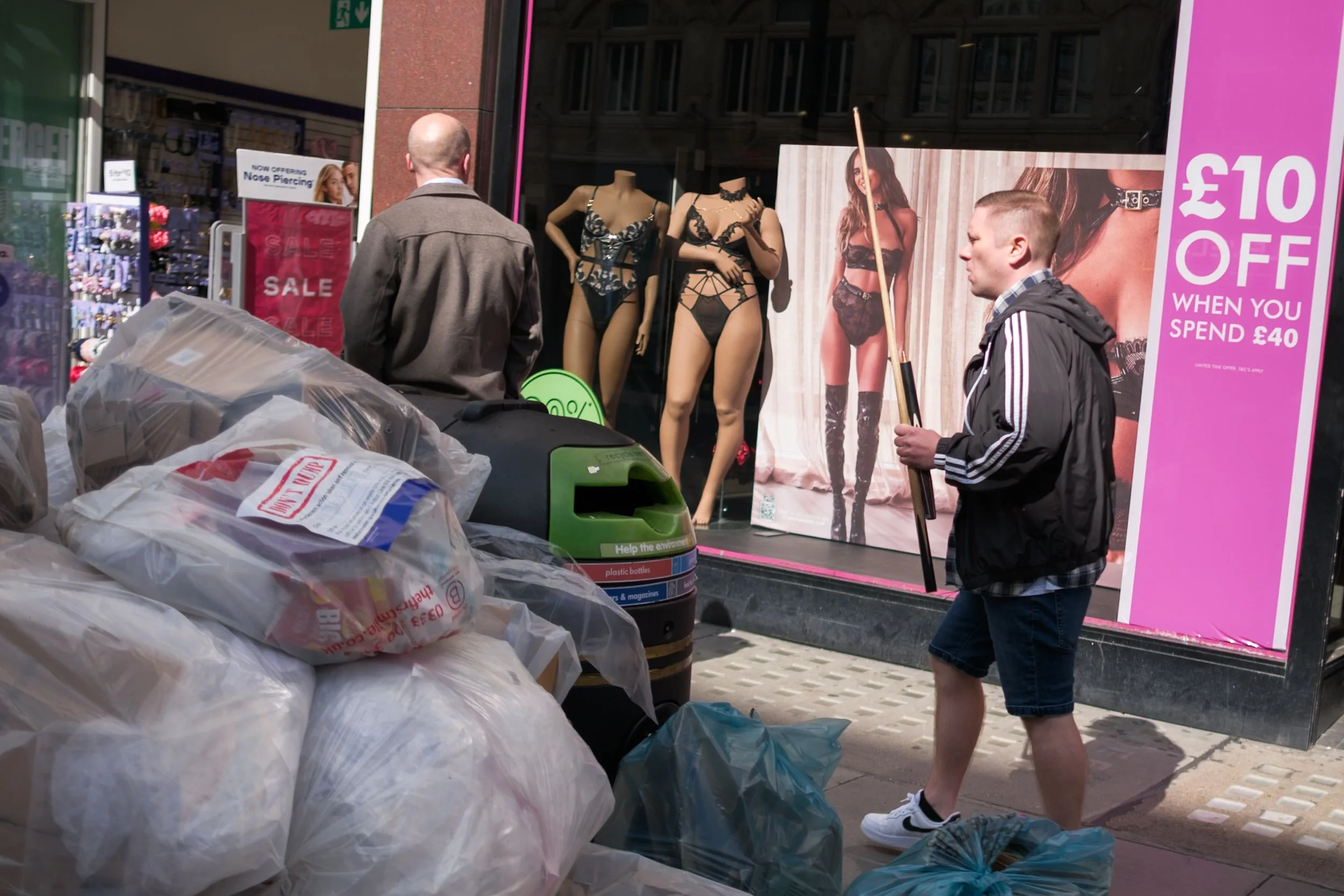
© Phil Turnbull
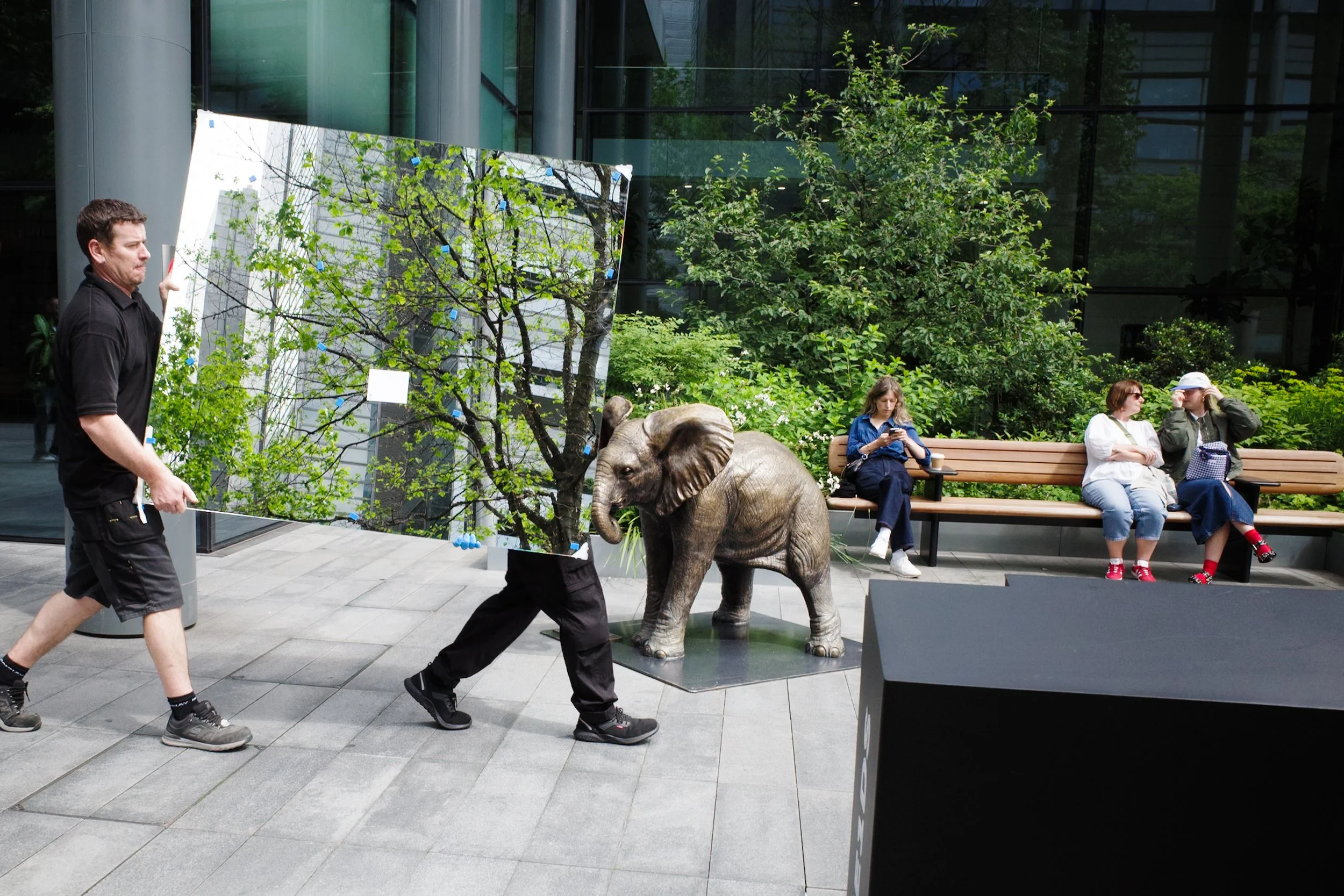
© Phil Turnbull
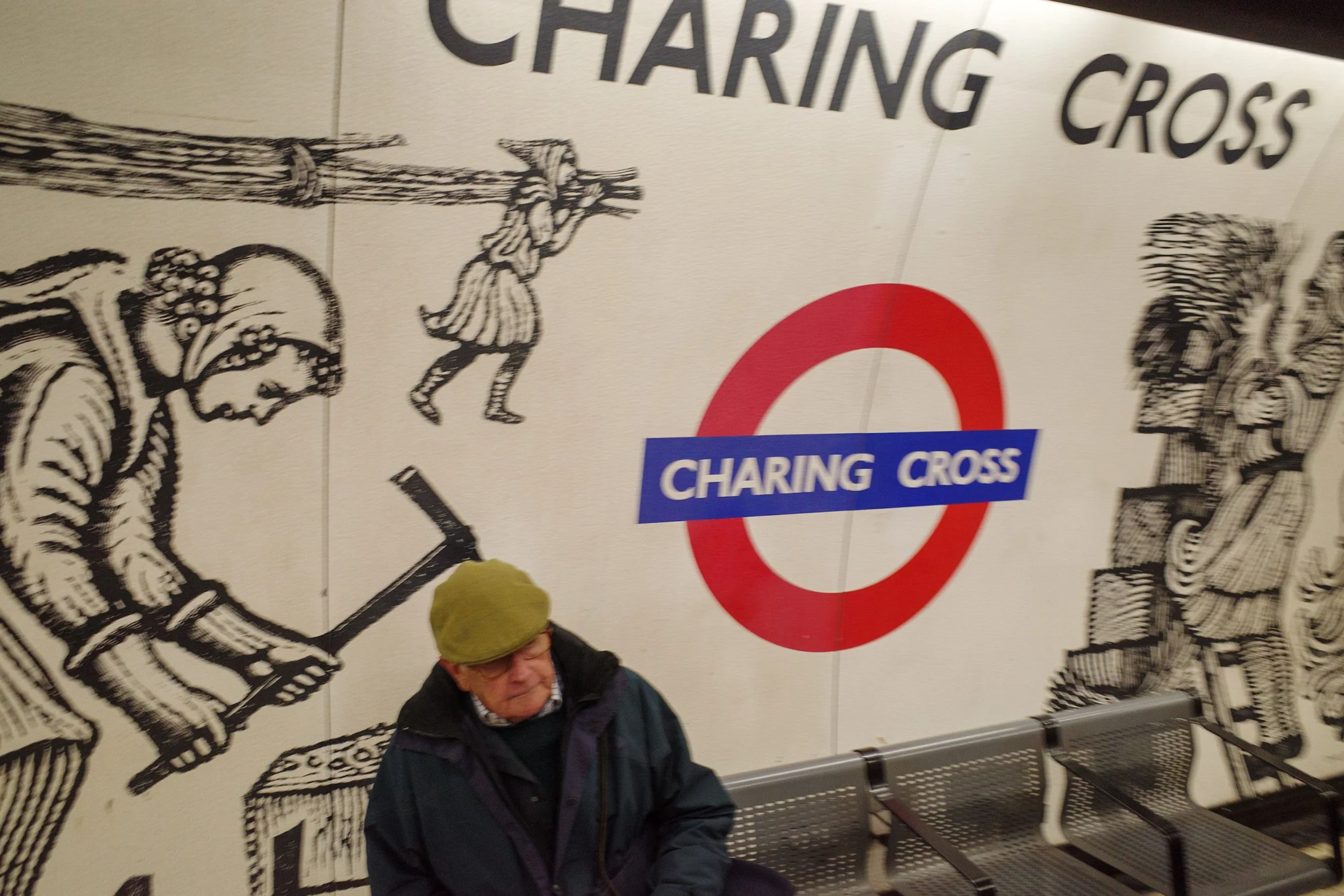
© Phil Turnbull
JLH: If you could spend a day shooting with any three street photographers, living or historical, who would they be and what do you think you'd learn from them?
PT: It would be the three I mentioned at the beginning: Matt Stuart, Martin Parr and Elliott Erwitt. I'd be interested in how they see the world and what they're looking for. In fact I'm doing a workshop in Lisbon soon with Matt Stuart so I'll report back!
If I can sneak in a fourth then Shin Noguchi is a Japanese photographer who I feel quite inspired by. He includes his family frequently in his work which is interesting; it gives it another dimension.
JLH: Could you share a story about a time you almost missed a great shot, or perhaps a situation where you had to push yourself out of your comfort zone to get the photograph you wanted?
PT: I miss shots all the time; every time I go out in fact. But I’m an optimist and tell myself that there’s another shot just around the corner. Inevitably there is.
I do remember one day though where I missed three shots in a row. It was pouring with rain as I walked to the station and a woman was walking towards me with a magazine over her head with a huge face on the cover. Camera was in my pocket. I got on the train then had an interchange at a station where I went down the escalator to the platform. It did an emergency stop and several people tumbled on top of each other (everyone was fine…). Camera was in my pocket. Then I got out the station where the rain on a man’s shirt was a pattern that was the exact same as the logo on the shirt. Camera was in my pocket.
Whether any of them would’ve been great shots I don’t know but lesson learned - camera stays out of my pocket!
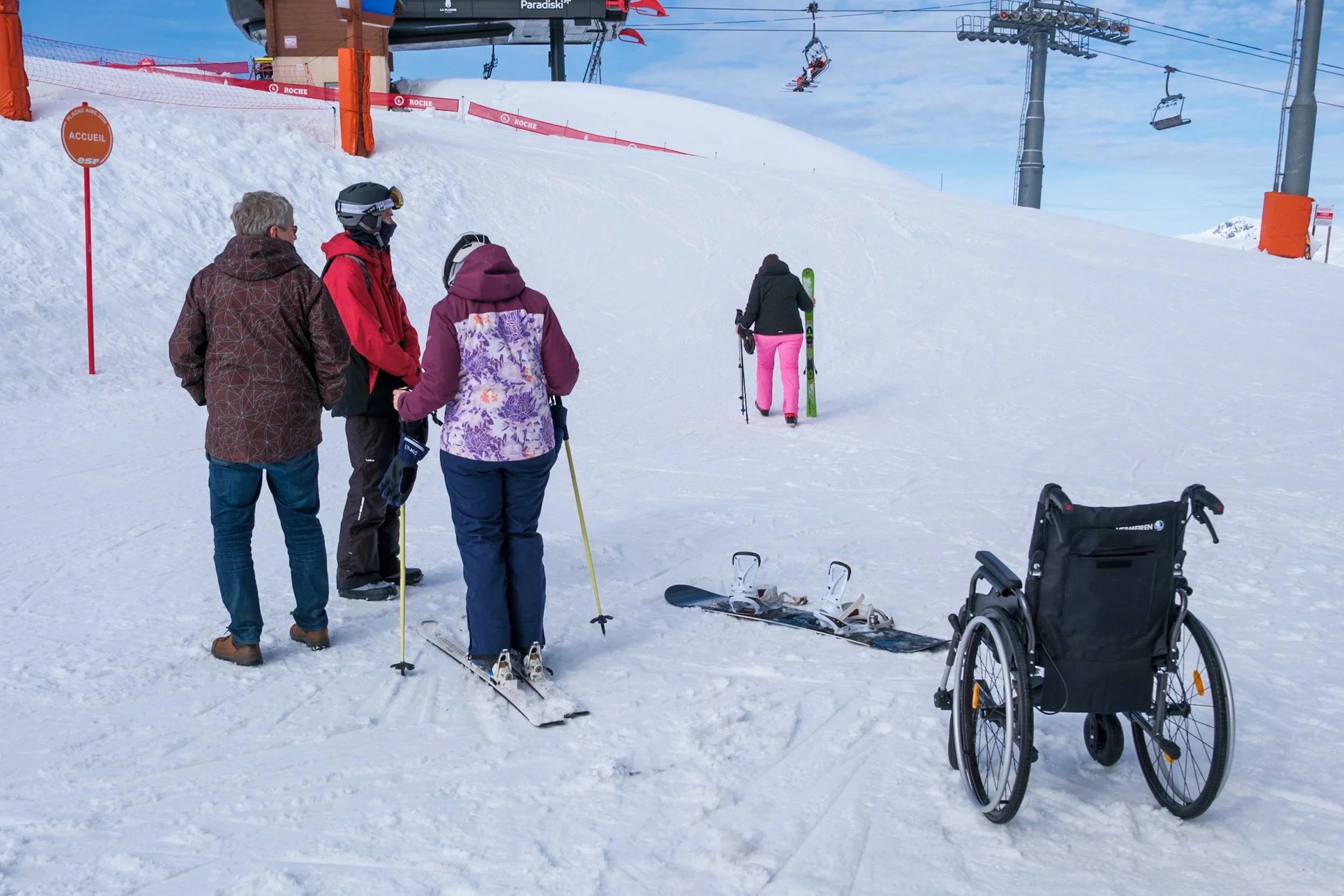
© Phil Turnbull
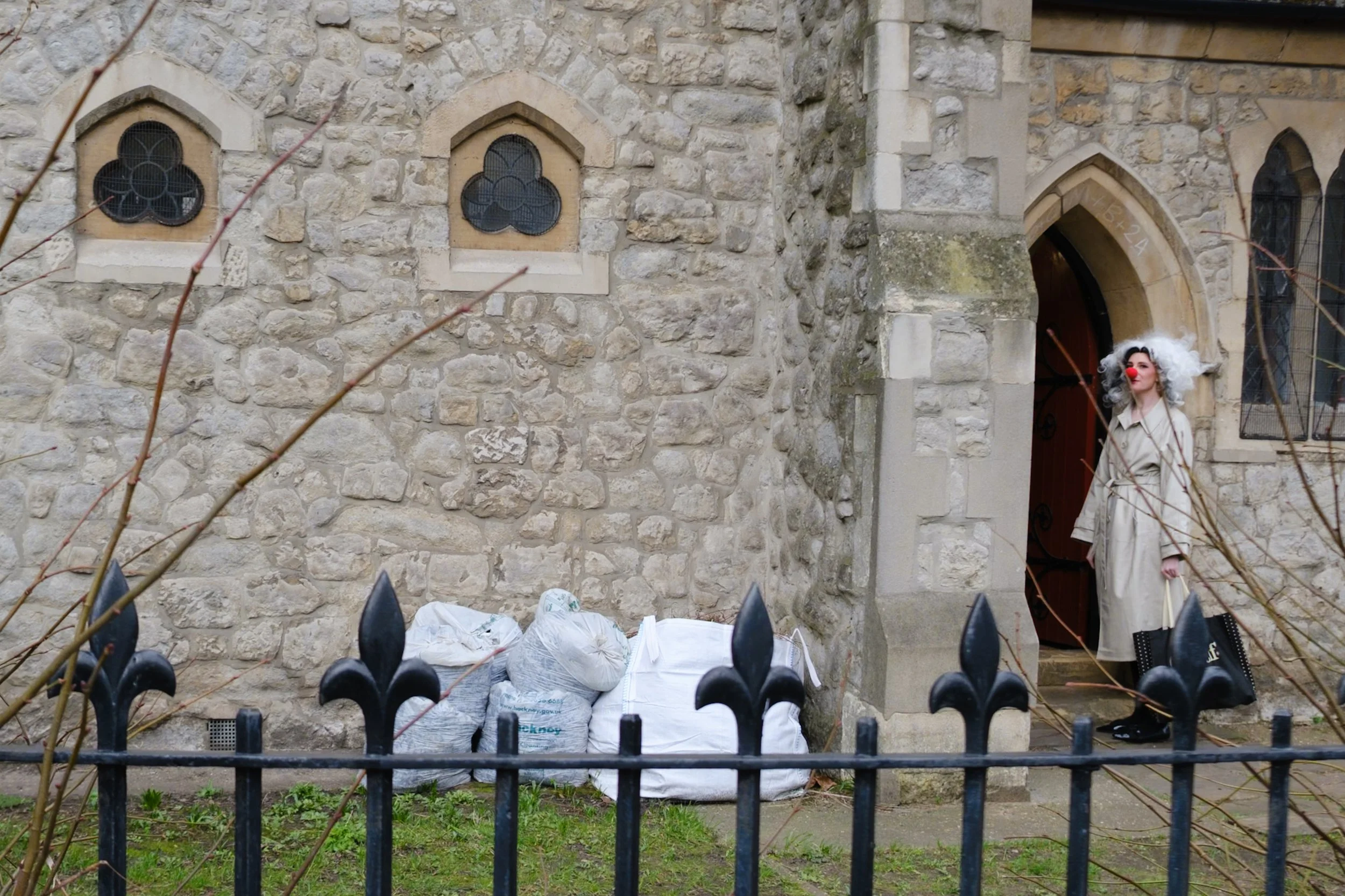
© Phil Turnbull
JLH: When you look back at your own body of work, what common threads or developing styles do you notice emerging in your street photography?
PT: I feel my style has remained fairly constant since I started. Recently I've been sorting my Lightroom catalogue and have found certain themes emerging. Families/kids, 'lone wolves', animals. I've also noticed that I take simpler compositions recently which sounds easy but is actually harder.
Trying to remove something from the frame takes more work than leaving it in! I don't make especially complex photos, a la Alex Webb, so in a way, my shots are more obvious in what they're about and look deceptively simple.
JLH: Looking ahead, what are your aspirations or goals for your street photography? Is there anything new you're hoping to explore or achieve in the future?
PT: To be honest, I'm happy to keep it as something for myself. It's nice to have an activity that doesn't have to be motivated by money or power. Obviously it would be great to create a book and/or solo exhibition but back to real life... I started putting together a zine but never finished so that's something I need to complete.
Getting involved in group exhibitions is fun so the UPC exhibition next year is on my radar and I've got a shot in an exhibition at the Glasgow Gallery of Photography at the end of the year.
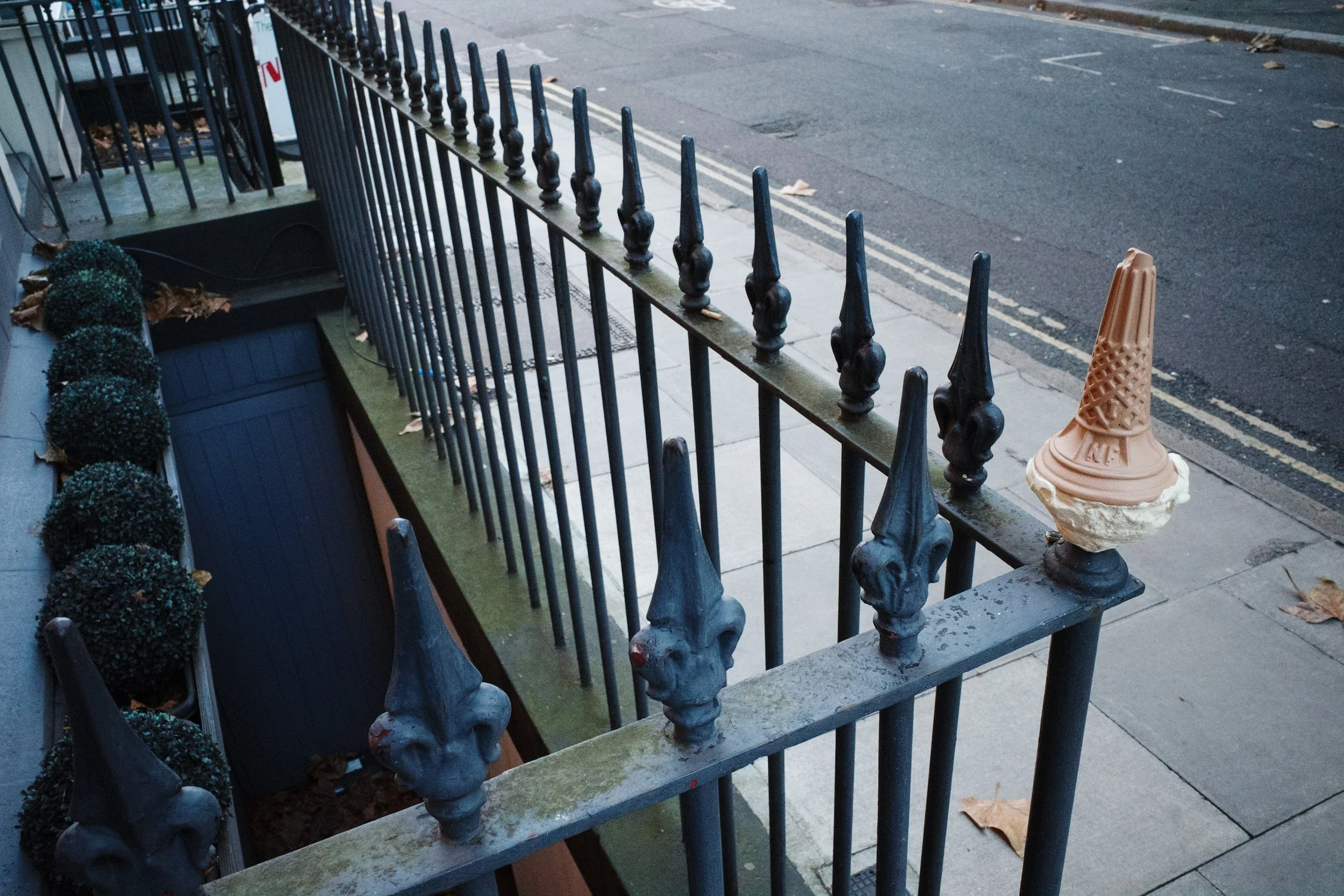
© Phil Turnbull
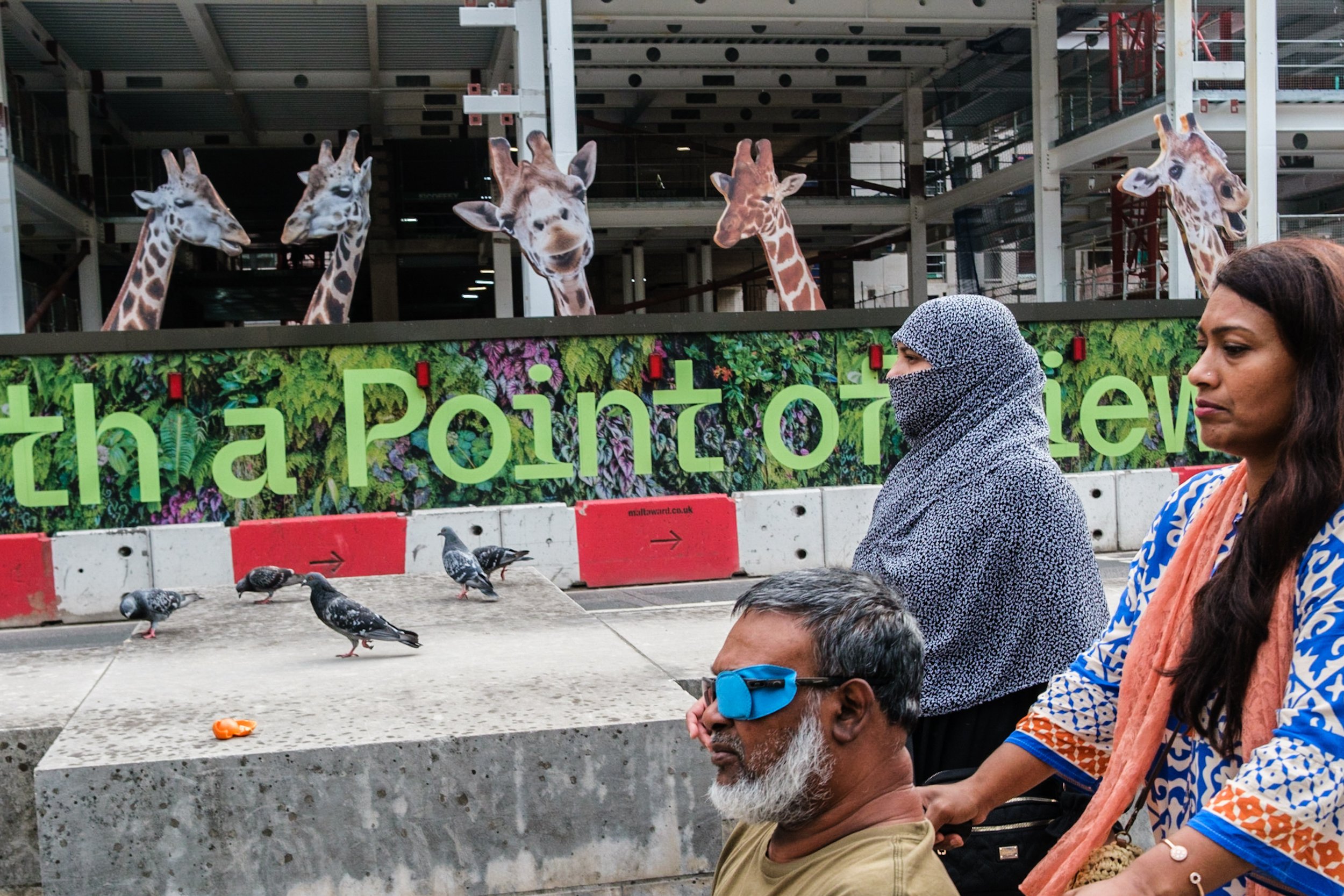
© Phil Turnbull
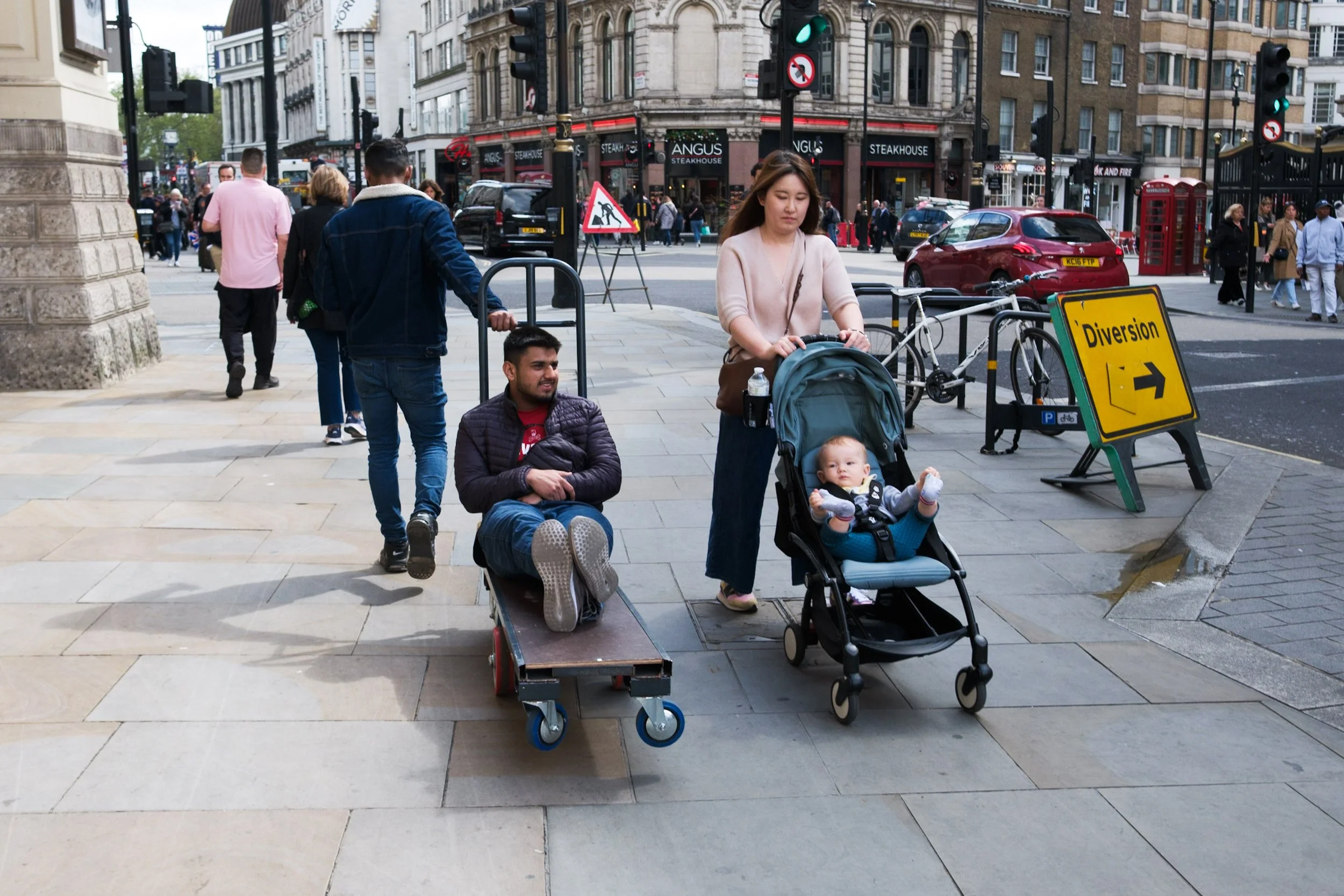
© Phil Turnbull
© Phil Turnbull
JLH: If someone were just starting out in street photography, what's one piece of advice you'd give them that you wish you'd known when you began?
PT: Enjoy the process - this one is the most important; you have to enjoy being out of the streets for hours at a time, mostly by yourself. This is where communities such as UPC are so important, where you can meet likeminded people and decompress over a beer or two! Equally as important is not to compare yourself against the masters.
Most 'big name' photographers will only have a handful of shots that you will remember and it's taken years to get those. I remind myself of this when looking at Matt Stuart's book 'All that life can afford.'. It has a note at the back that says all shots 'were made between 2004 and 2016'; so that's about 50 shots in 12 years of work.
Finally, stay optimistic, don't dwell on the constant failure. Come along to a UPC event and share the failures together!